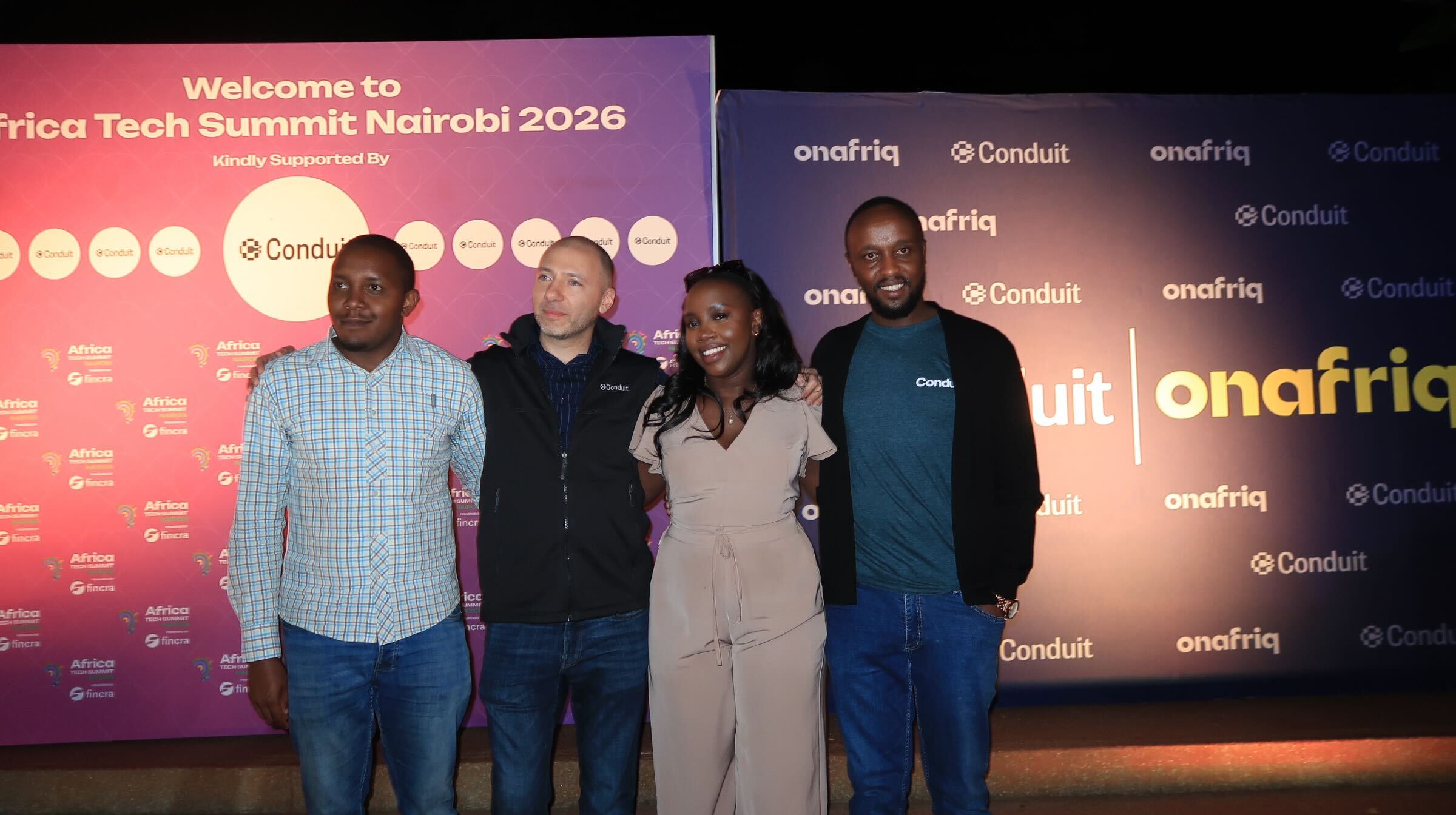
Onafriq has entered a strategic partnership with Conduit, a blockchain-based cross-border payments platform, to integrate USDC stablecoin rails into its treasury and settlement operations.
Announced on February 10, 2026, at the Africa Fintech Summit in Nairobi, this collaboration enables Onafriq, which is Africa’s largest digital payments network connecting over a billion mobile money wallets and 500 million bank accounts across more than 40 countries, to achieve near-instantaneous liquidity management and faster payouts.
The arrangement addresses persistent inefficiencies in traditional correspondent banking, where settlement cycles often span multiple days.
By leveraging stablecoins for internal treasury flows and rebalancing, Onafriq enhances operational predictability and cost efficiency in a fragmented African financial landscape.
Operational Challenges Addressed by Stablecoins
Traditional cross-border liquidity management in Africa relies heavily on correspondent banking relationships and SWIFT transfers, which introduce delays, high intermediary fees, and exposure to foreign exchange volatility.
In markets with limited dollar access or currency convertibility constraints, these frictions can disrupt timely settlement and increase working capital requirements.
Conduit’s infrastructure allows Onafriq to:
- On-ramp payments into USDC for efficient global treasury positioning.
- Rebalance liquidity pools across jurisdictions in near real time.
- Execute same-day payouts to banks, mobile money operators, and merchants where legacy systems typically require several days.
Conduit’s infrastructure will help us move toward streamlining our global treasury management through stablecoins and drive faster payouts for our customers
Luke Khohere, Group Chief Product and Innovation Officer at Onafriq
This backend application of stablecoins focuses on institutional-grade settlement rather than consumer-facing use, ensuring full compliance with local regulations in each jurisdiction.

Initial Scope and Controlled Deployment
The partnership begins with treasury management and internal liquidity operations.
Conduit provides off-ramp channels to convert USDC back into local fiat currencies as needed, supporting controlled testing and scalability.
This phased approach minimises risk while demonstrating the viability of stablecoin rails in a regulated environment.
It aligns with Onafriq’s broader strategy to optimise its extensive network, where speed and reliability increasingly determine competitive advantage.
Kirill Gertman, CEO of Conduit, highlighted an 80% increase in African clients between Q3 and Q4 2025, underscoring rising institutional demand for stablecoin-based backend solutions among regional payment providers.
READ ALSO:MFS Africa Rebrands to Onafriq, Aiming to Wire Up the Whole Continent
Broader Trend in African Fintech
Onafriq’s move reflects a growing adoption of stablecoins among African fintech platforms for institutional settlement purposes.
Dollar-pegged tokens such as USDC offer:
- Predictable value stability amid currency fluctuations.
- Reduced dependency on scarce foreign exchange liquidity.
- Lower costs compared to legacy intermediaries.
- Programmable, near-instant settlement capabilities.
This trend positions stablecoins as a practical tool for enhancing cross-border efficiency in fragmented markets, particularly where traditional infrastructure lags.
The partnership strengthens Onafriq’s ability to deliver reliable services across its vast footprint while contributing to the evolution of digital asset integration in African finance.

Looking Ahead
Onafriq’s partnership with Conduit represents a calculated step toward modernising institutional liquidity management through stablecoins.
By replacing multi-day correspondent banking cycles with near-instantaneous USDC-powered operations, the collaboration improves treasury efficiency, reduces costs, and accelerates payouts across its pan-African network.
This initiative aligns with a broader fintech trend in Africa and enhances Onafriq’s competitive positioning in a market where operational speed and reliability are paramount.
For the latest developments, refer to official announcements from Onafriq or Conduit.
Onafriq Overview
Onafriq login is done through the official Onafriq portal (e.g., the sign-in page where users enter a username/email and password to access their account). Onafriq App refers to the digital interfaces and APIs the company provides to partners and clients to integrate payments and manage collections/disbursements, although its primary outward presence is as a platform rather than a consumer retail app.
Onafriq (formerly MFS Africa) operates across many Onafriq countries providing interoperable digital payment rails that connect mobile wallets, bank accounts and agent networks.
Onafriq sign up typically involves partnering via a business or developer onboarding process, since the platform targets enterprises, fintechs and payment service providers rather than individual users.
Onafriq reviews from industry reports and market sources describe it as a leading pan-African payments provider with wide reach and strong interoperability for wallet-to-wallet, bank transfers, collections and disbursements, although specific consumer app reviews are less common because its services are embedded via partners.
MFS Africa Onafriq refer to the same entity, reflecting the company’s rebrand from MFS Africa to Onafriq as it expanded its omni-channel payments network and cross-border capabilities across the continent.
Ronnie Paul is a seasoned writer and analyst with a prolific portfolio of over 1,000 published articles, specialising in fintech, cryptocurrency, climate change, and digital finance at Africa Digest News.